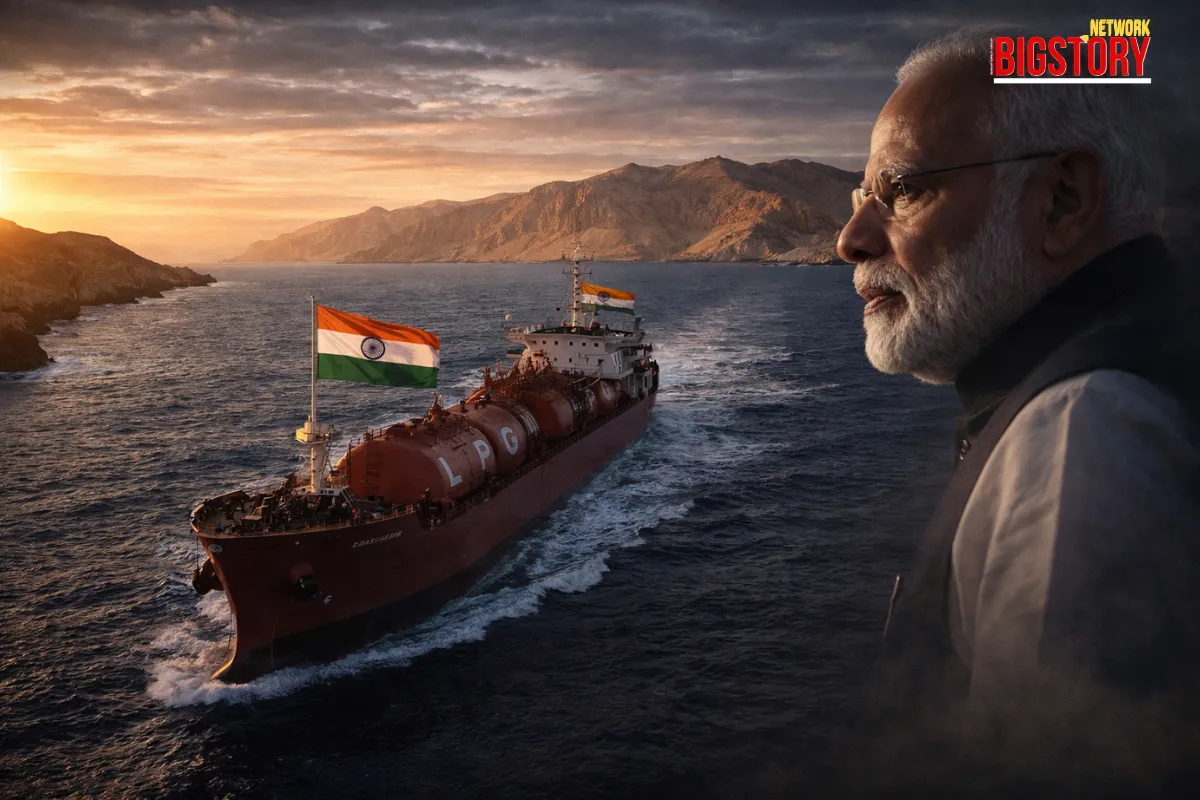
Utilizing backchannel diplomacy and sovereign signaling, two massive Indian gas carriers navigated the volatile Persian Gulf chokepoint, providing a critical lifeline to domestic fuel supplies amidst the Middle East war.
 Brajesh Mishra
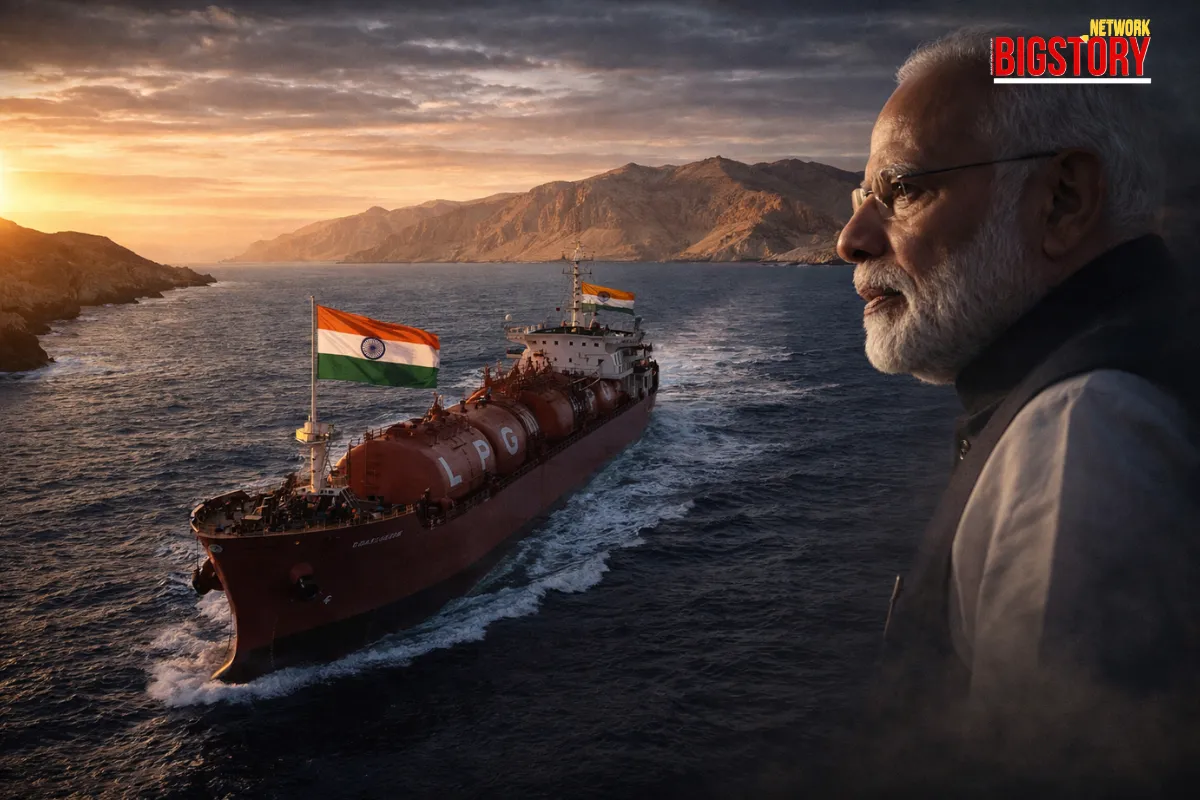
What happened: Two Indian-flagged LPG tankers, Jag Vasant and Pine Gas, successfully transited the Strait of Hormuz on March 23, 2026, after receiving clearance from Iranian authorities.
Why it happened: India has utilized its neutral diplomatic status to secure case-by-case passage for its energy vessels, bypassing a blockade that has stopped 95% of other commercial traffic.
The strategic play: The tankers hugged the Iranian coastline to signal their identity and utilized the "India ship and crew" AIS broadcast to avoid being targeted by the IRGC.
India's stake: The 92,600 tonnes of gas arriving this week will prevent domestic "dry outs," providing critical relief as India manages a severe cooking gas crisis.
The deciding question: With 20 Indian-flagged vessels still stranded inside the Gulf, can New Delhi maintain this fragile diplomatic corridor if President Trump follows through on his threat to strike Iranian power plants?
India’s "maritime diplomacy" has achieved a major tactical success amidst the escalating Middle East war. On Monday evening, two massive Indian-flagged LPG tankers—the Jag Vasant and the Pine Gas—successfully bypassed the near-total blockade of the Strait of Hormuz.
Carrying over 92,600 tonnes of cooking gas, the vessels are providing a critical lifeline to India’s domestic supply chain just as global energy markets brace for a potential infrastructure-wide blackout. The successful transit stands as a powerful testament to New Delhi's strategy of multi-alignment, securing sovereign energy needs while the world's largest navies remain paralyzed outside the Gulf.
Since the US-Israel-Iran war ignited on February 28, the Strait of Hormuz has been effectively closed to Western-aligned commercial shipping. To navigate this hostile environment, the Indian vessels executed a highly coordinated, pre-approved transit strategy.
The safe arrival of these vessels provided vital political momentum in New Delhi. Prime Minister Narendra Modi addressed the Rajya Sabha on Tuesday, utilizing these transits as tangible evidence of India's successful diplomatic balancing act.
"In the past few days, ships carrying crude oil and LPG from several countries have arrived in India. Our efforts in this direction will continue," the Prime Minister stated, seeking to calm market anxieties. He firmly assured the nation that despite the "worrisome" regional situation, "India has adequate crude oil storage and arrangements for continuous supply."
International media is currently focused on the "selective" nature of the Iranian blockade and chasing rumors of ransom payments—claims the Iranian embassy in Delhi has strongly denied. However, the most critical, overlooked detail is how these ships sailed through.
They utilized the Larak-Qeshm Channel, a narrow strip of water controlled directly by Iranian shore batteries. By hugging this coastline and broadcasting their "Indian crew" identity, India is effectively utilizing a sovereign security corridor that is completely unavailable to any Western nation.
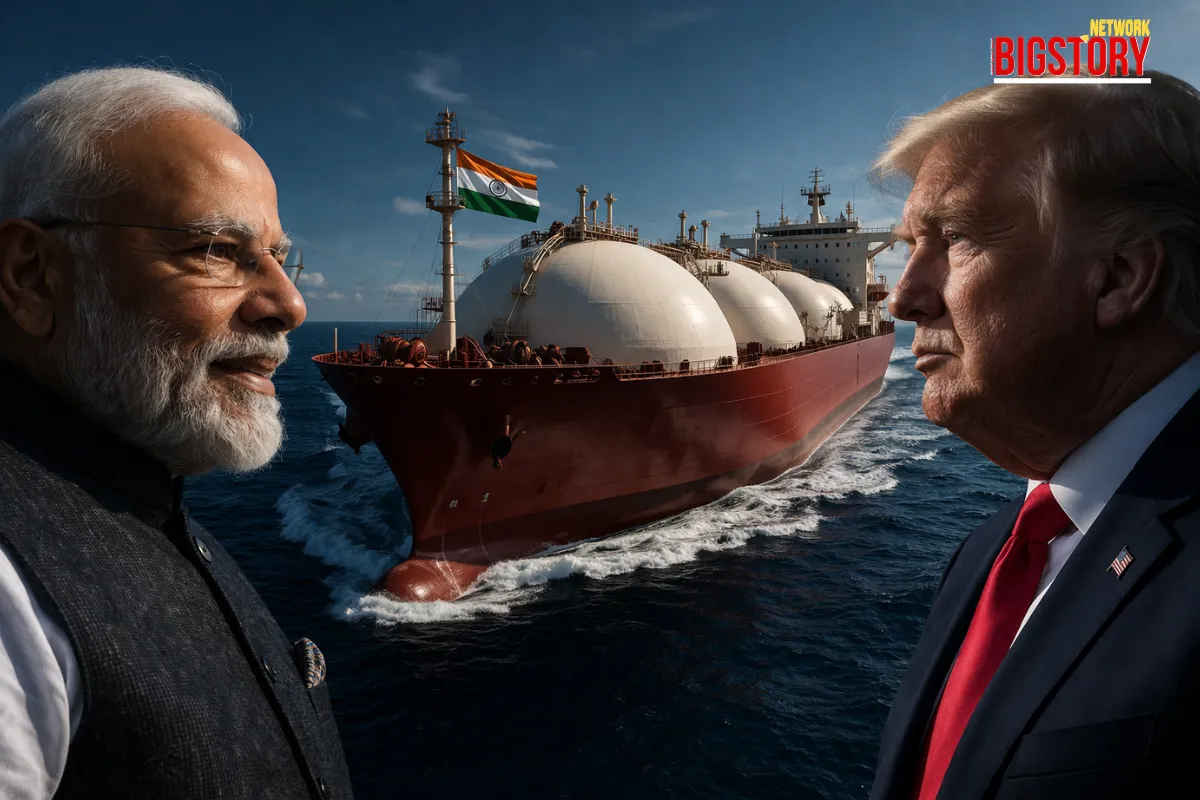
This isn't just maritime luck; it is the physical manifestation of India's "Strategic Autonomy." If New Delhi had caved to Washington's pressure and joined the US-led naval coalition, these two ships—and the gas currently heading to Indian kitchens—would likely have been targeted or seized by the IRGC.
If India can negotiate the safe passage of its energy fleet through a burning Persian Gulf, is multi-alignment the new gold standard for national security?
News & Wire Coverage:
 Exclusive Content






Sign up for the Daily newsletter to get your biggest stories, handpicked for you each day.



 Trending Now! in last 24hrs